Animal Guides / Conservation and reference
How to watch wildlife responsibly
Safe distances, how to read stress signals, why feeding wild animals causes harm, and ethical rules for photography, boat trips and wildlife tourism.
The golden rule
If an animal changes its behavior because of you, you are too close. Watching wildlife should leave no trace on the animals' lives. Disturbance can make animals abandon nests, waste energy needed for survival or become dangerous.
Keep your distance
Distance rules vary by place and species. Always follow the rules where you are. Some examples:
| Situation | Example guidance |
|---|---|
| Yellowstone National Park, bears and wolves | Stay at least 100 yards away |
| Yellowstone, other animals such as bison and elk | Stay at least 25 yards away |
| Whales, many US waters | Commonly 100 yards or more; some species and areas have larger legal limits |
| Seals and sea lions | Keep well back; many guidelines suggest about 50 yards |
| Nesting birds | Keep far enough that adults stay on the nest |
A simple trick: hold your arm out and raise your thumb. If you cannot cover the whole animal with your thumb, you are probably too close. Use binoculars, a spotting scope or a long lens instead of moving closer.
Read the warning signs
Animals often warn you before they flee or defend themselves:
- Raising the head and staring at you.
- Stopping feeding or resting.
- Restless movement, pacing or circling.
- Alarm calls, hissing, growling or tail slapping.
- Birds flushing from nests or circling overhead.
If you see these signs, back away slowly.
Never feed wild animals
Feeding seems kind, but it:
- Causes animals to lose fear of people, leading to conflicts and dangerous encounters.
- Can make animals sick, since human food is often unhealthy for them.
- Draws animals to roads and parking lots where they get hit.
- Can lead to animals being removed or euthanized after they become aggressive.
Bird feeders at home are a special case; keep them clean and follow local guidance.
Photography ethics
- Never bait, call or chase animals to get a shot.
- Do not use flash on nocturnal animals or at close range.
- Avoid revealing exact locations of rare or sensitive species online.
- Do not fly drones near wildlife where it is banned or where it causes disturbance.
- A great photo is never worth stressing an animal.
Boats, beaches and water
- Approach marine mammals slowly from the side, never head-on or from behind.
- Do not swim with or touch wild dolphins or seals unless on a regulated program that follows strict guidelines. See bottlenose dolphin.
- Keep away from sea turtle nests and hatchlings, and keep beaches dark at night during nesting season.
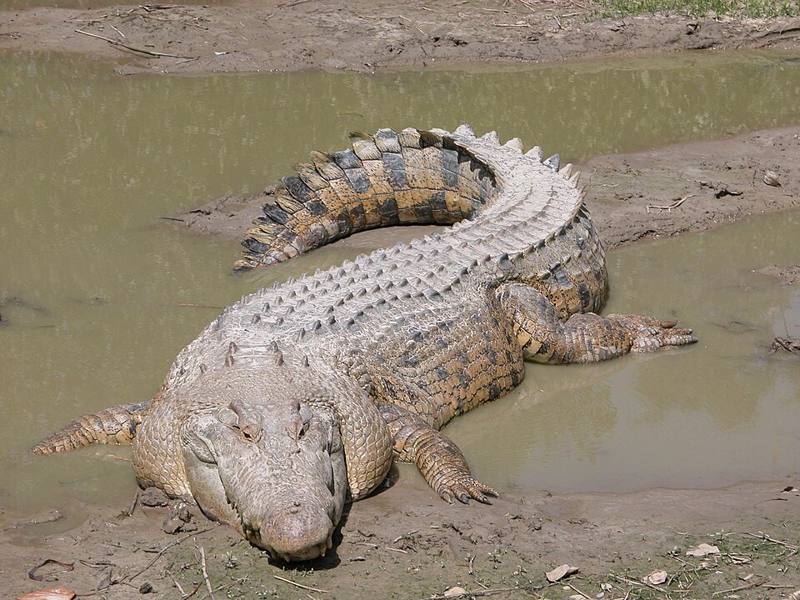
- In crocodile areas, follow warning signs and stay well back from the water's edge. See saltwater crocodile.
Choosing ethical wildlife tourism
Good operators:
- Keep a respectful distance and limit time with animals.
- Do not allow touching, riding, feeding or posing with wild animals.
- Employ trained guides and support local conservation.
Be cautious of attractions offering cub petting, elephant rides or animal selfies; these often involve poor welfare.
Safety for you
- Carry bear spray where recommended and know how to use it.
- Travel in groups in predator country and make noise on trails.
- Never get between a mother and her young.
Wild animals are unpredictable. Even animals that seem calm, like bison or deer, can injure people who approach too closely.