Bottlenose dolphin
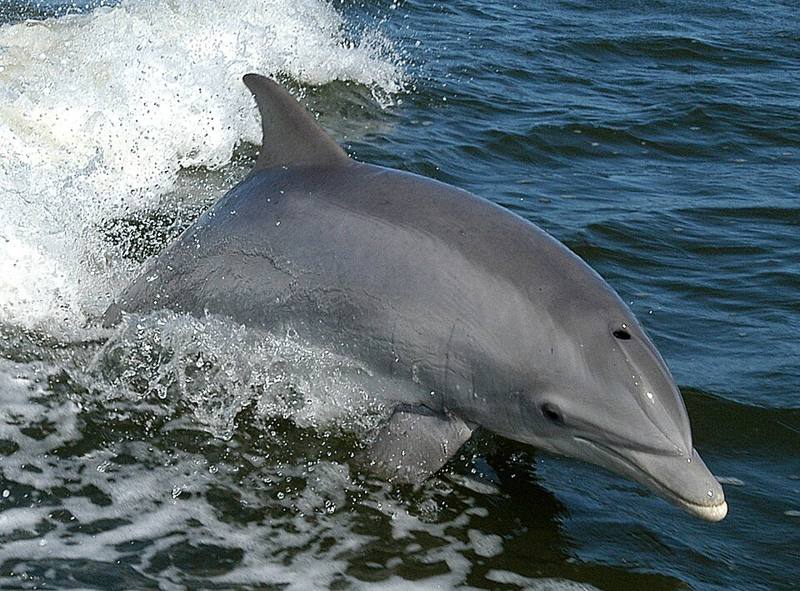
Playful, smart and found along coasts worldwide, bottlenose dolphins use names, tools and sound to navigate a complex social life.
Quick facts
| Fact | Detail |
|---|---|
| Scientific name | Tursiops truncatus (common bottlenose dolphin) |
| Class | Mammalia (mammals) |
| Diet | Carnivore: fish, squid, shrimp and crabs |
| Size | About 2 to 4 m long and 150 to 650 kg |
| Lifespan | Often 40 years or more; some females exceed 60 |
| Range | Warm-temperate and tropical seas worldwide, both coastal and offshore |
| IUCN status | Least Concern |
Habitat
Bottlenose dolphins are among the most widespread dolphins. Some live in bays, estuaries and harbors close to shore, while offshore populations roam deeper water and tend to be larger. Many coastal communities are resident, meaning the same individuals can be seen in the same bay for decades. A related species, the Indo-Pacific bottlenose dolphin, lives in the Indian Ocean and western Pacific.
Behavior
Dolphins live in a fission-fusion society: groups form, split and re-form throughout the day. Mothers and calves stay close for three to six years. Adult males in some populations form long-term alliances with one or two partners.
Each dolphin develops its own signature whistle in the first months of life, and others use it to call to that individual, much like a name. Experiments have shown dolphins remember the whistles of former group mates after separations of more than 20 years.
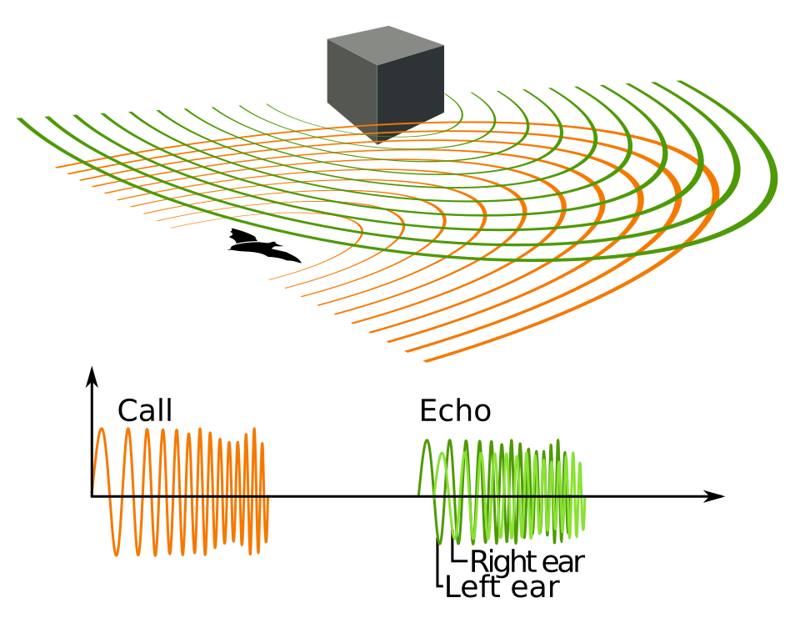
Bottlenose dolphins hunt with echolocation, sending out clicks and listening to the echoes to find fish, even fish buried in sand. Different communities have invented their own hunting methods:
- Sponging: in Shark Bay, Western Australia, some dolphins wear marine sponges on their beaks to protect them while digging in the seafloor. The skill is passed mainly from mothers to daughters.
- Mud-ring feeding: in Florida Bay, a dolphin swims in a circle beating up a ring of mud, and fish leap out of the ring straight into waiting mouths.
- Strand feeding: in South Carolina and Georgia, dolphins drive fish onto mudbanks and briefly slide out of the water to grab them.
Surprising facts
- Dolphins sleep with one half of the brain at a time, keeping one eye open and continuing to surface for air.
- They are conscious breathers: every breath is a decision, which is why full sleep like ours would be dangerous.
- Bottlenose dolphins passed the mirror self-recognition test in published experiments. See animal intelligence.
- A newborn calf's dorsal fin and tail flukes are floppy at first and stiffen over the first days of life.
Threats and conservation
The species as a whole is not threatened, but some local populations are small and at risk. The main threats are entanglement in fishing gear, pollution, habitat loss in coastal waters, boat strikes, and people feeding wild dolphins, which teaches them to beg near boats and fishing lines and puts them in danger. In the United States, feeding or harassing wild dolphins is illegal under the Marine Mammal Protection Act.
Never swim toward, touch or feed wild dolphins. Enjoy them from a distance using our responsible wildlife watching checklist.