Animal Guides / Animal behavior and science
Echolocation explained
Bats, dolphins, whales and a few birds and small mammals "see" with sound. Learn how echolocation works, which animals use it and how some prey fight back.
Seeing with sound
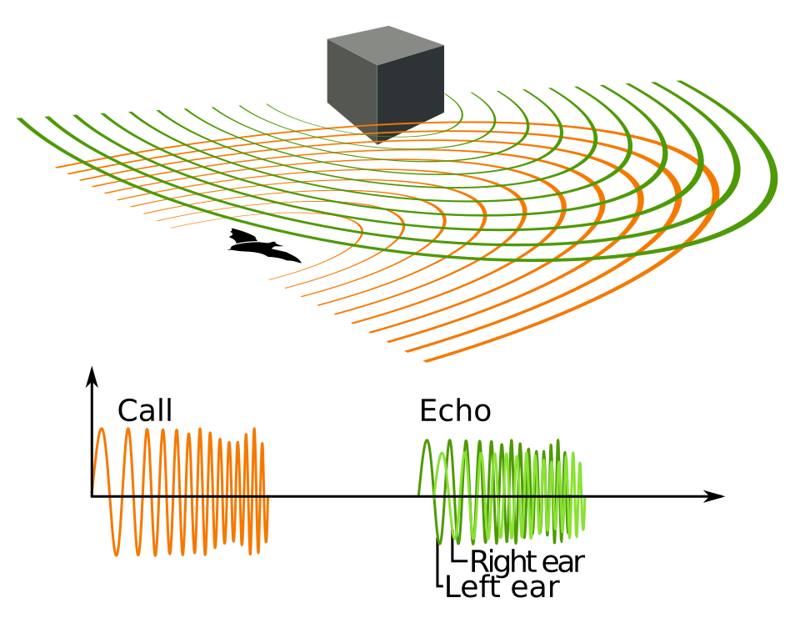
Echolocation is the ability to find objects by sending out sounds and listening to the echoes. An animal makes a call, the sound bounces off objects, and the echoes return to its ears. From those echoes, the animal can work out how far away something is, how big it is, which direction it is moving and even its texture.
It is the same basic principle as sonar used by ships, but animals evolved it millions of years earlier.
Who echolocates
| Animal group | How they do it | Notes |
|---|---|---|
| Most insect-eating bats | Calls from the larynx, emitted through the mouth or nose | Many calls are ultrasonic, too high for humans to hear |
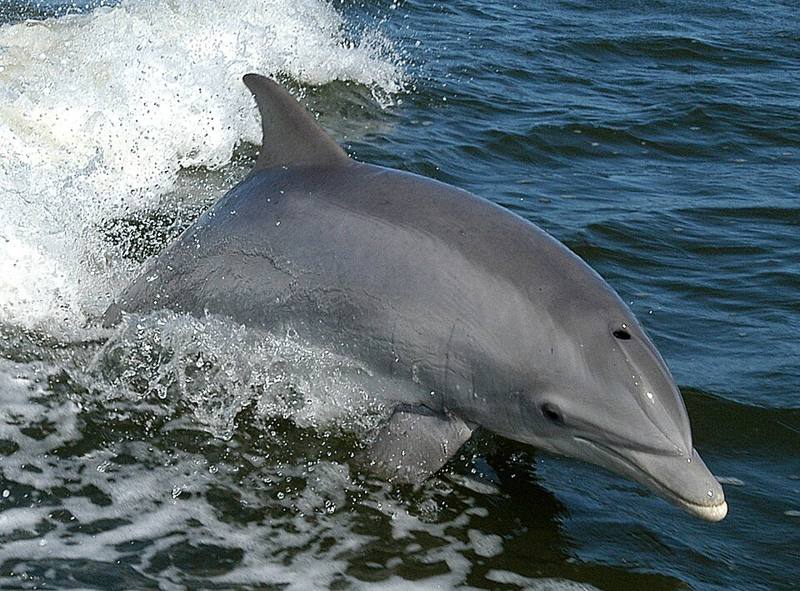
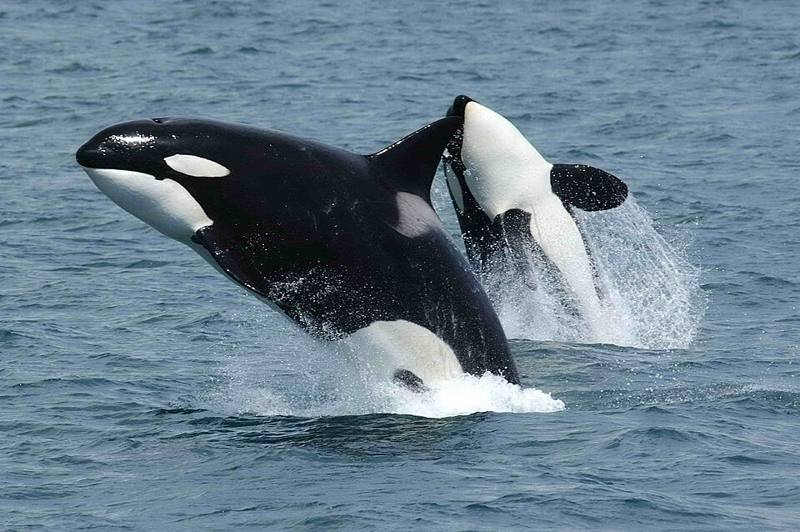
| Toothed whales (dolphins, porpoises, orcas, sperm whales) | Clicks produced in the nasal passages, focused by the fatty "melon" in the forehead | Echoes are received mainly through the lower jaw |
| Some fruit bats | Tongue or wing clicks in a few species | Most fruit bats rely on vision and smell |
| Oilbirds and some swiftlets | Audible clicks | Used in dark caves |
| Some shrews and tenrecs | High-pitched calls | Simple, short-range echolocation |
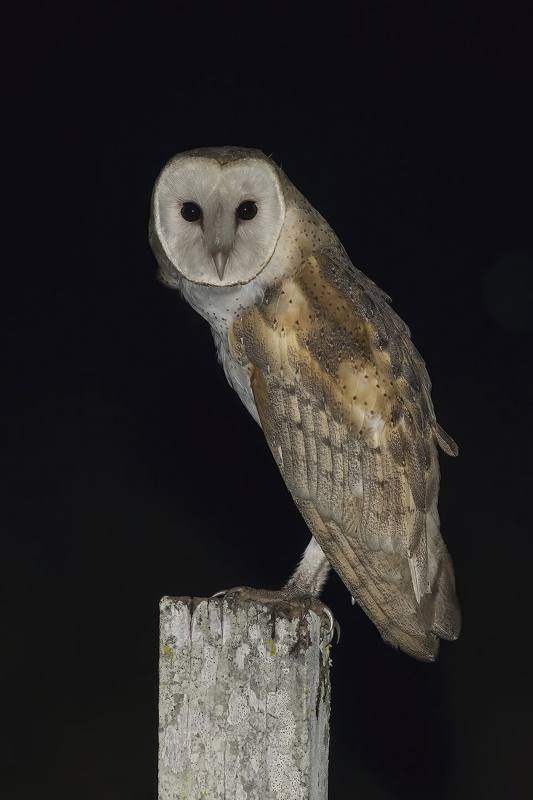
Barn owls, by contrast, hunt in darkness by listening to the sounds prey make, not by echolocation. See barn owl.
How bats do it
An insect-eating bat hunting at night might:
- Search: send out calls at a steady rate while flying.
- Approach: speed up the call rate when it detects an insect.
- Terminal buzz: call extremely rapidly just before the catch, getting constant updates on the insect's position.
Bats can detect very thin objects, and the timing difference between echoes reaching each ear helps them locate prey precisely. Different species use different call types suited to open air, forests or water surfaces.
How dolphins do it
Dolphins send out rapid trains of clicks. Their echolocation is detailed enough to tell objects apart by size, shape and material, and in experiments dolphins have identified hidden objects using sound alone. Sound travels faster and farther in water than in air, which makes echolocation especially useful in murky water or at depth. See bottlenose dolphin and orca.
The arms race with prey
Prey animals have evolved defenses against echolocating predators:
- Many moths have ears that detect bat calls; when they hear a bat approaching, they dive, loop or drop.
- Some tiger moths produce clicks that may warn bats they taste bad, and some may jam bat sonar.
- Some moths have scales on their wings that absorb sound, reducing echoes.
Bats, in turn, have evolved call types and frequencies that are harder for some moths to hear.
Human echolocation
Some blind people have learned to use tongue clicks and the echoes they produce to sense their surroundings, such as walls, cars and trees. This shows how flexible the brain is in using sound to build a picture of space.
Threats from noise
Underwater noise from ships, construction and some sonar can interfere with whales' and dolphins' ability to communicate and echolocate. Reducing ocean noise is an active area of conservation research. See animal communication.
Echolocation evolved separately in bats and toothed whales, a classic example of convergent evolution, where unrelated animals develop similar solutions to the same problem.