Animal Guides / Animal behavior and science
How camouflage works
Background matching, disruptive patterns, countershading, mimicry and color change. Learn the main types of camouflage, with animal examples for each.
Why animals hide
Camouflage helps animals avoid being seen, recognized or caught. Prey use it to avoid predators, and predators use it to sneak up on prey. Because predators and prey keep evolving in response to each other, camouflage can become astonishingly precise.
The main types
| Type | How it works | Examples |
|---|---|---|
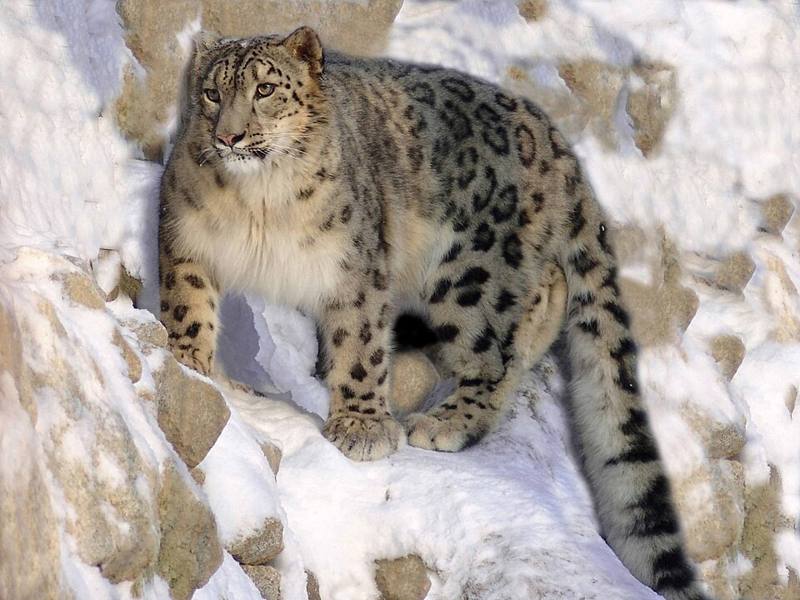
| Background matching | Colors and patterns resemble the surroundings | Snow leopard on rocky slopes, flounder on sand |
| Disruptive coloration | Bold patterns break up the body outline | Tiger stripes, giraffe patches |
| Countershading | Darker on top, lighter underneath, canceling shadows | Many sharks, deer, penguins |
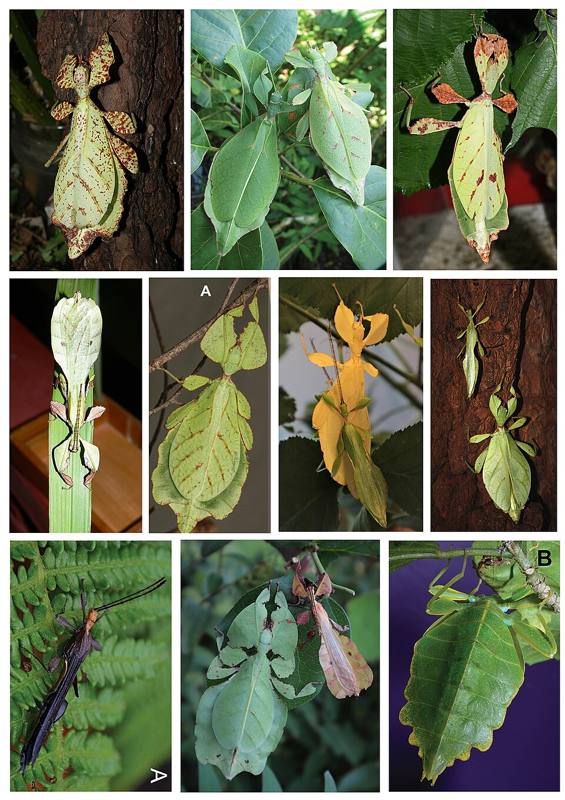
| Masquerade | Looks like an uninteresting object | Stick insects, leaf insects, some caterpillars resembling bird droppings |
| Mimicry | Resembles another, often dangerous, species | Hoverflies resembling wasps |
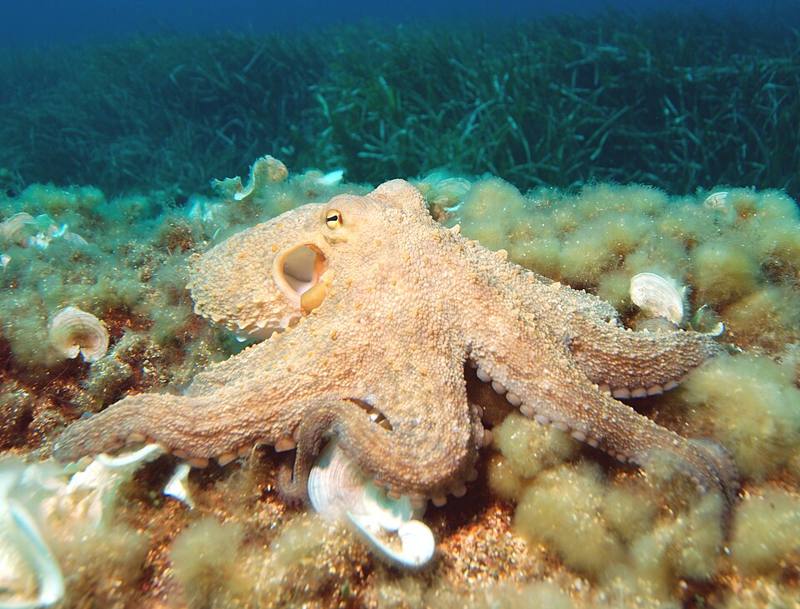
| Active color change | Changes color or pattern in real time | Octopuses, cuttlefish, some flatfish |
Background matching
The simplest strategy: look like your surroundings. Many animals match the color of their habitat, such as sand-colored desert foxes or green tree frogs. Some change with the seasons; the Arctic fox and snowshoe hare turn white in winter and brown in summer.
Disruptive patterns
Stripes and spots might seem eye-catching, but they work by breaking up an animal's outline. A tiger's stripes blend with the vertical lines of tall grass and shadows. Many prey animals, including deer, cannot see red and orange the way humans do, which helps an orange tiger blend in. See tiger.
Countershading
Sunlight from above makes the top of an animal brighter and the belly darker in shadow, which reveals its 3D shape. Countershading reverses this with a dark back and pale belly, making the animal look flat and harder to spot. In the ocean, a dark back blends with the deep water seen from above, and a pale belly blends with the bright surface seen from below.
Mimicry and masquerade
- Batesian mimicry: a harmless species copies a harmful one, such as hoverflies that look like stinging wasps.
- Mullerian mimicry: several harmful species share similar warning colors, so predators learn faster to avoid all of them.
- Masquerade: animals that look like leaves, twigs, stones or bird droppings may be seen, but they are not recognized as food.
Living color changers
Octopuses, squid and cuttlefish have skin cells called chromatophores, tiny sacs of pigment controlled by muscles. They can change color and pattern in a fraction of a second, and some can even change skin texture. See octopus.
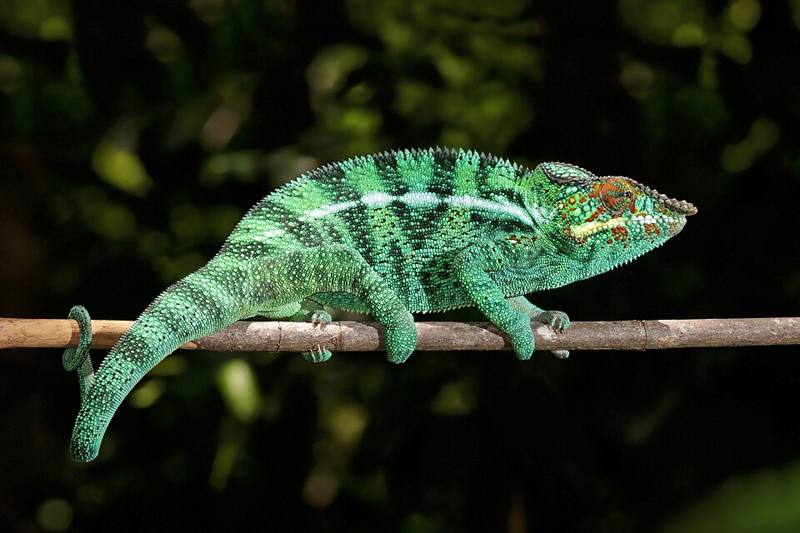
Chameleons change color more slowly, using layers of skin cells that contain tiny crystals that reflect light differently as they are spaced apart or together. Their color changes are often more about communication and temperature than hiding. See chameleons.
The opposite of camouflage
Some animals want to be seen. Bright warning colors, called aposematism, signal that an animal is toxic or dangerous. Poison dart frogs are a classic example. See poison dart frogs.
Some predators see light humans cannot, such as ultraviolet. An animal that looks well hidden to us might stand out to a bird, and the reverse can also be true.