Animal Guides / Animal behavior and science
Animal migration
Why animals travel thousands of miles, the record-breaking journeys of terns, godwits, whales and wildebeest, and the senses they use to find their way.
What migration is
Migration is the regular, usually seasonal movement of animals from one place to another and back again. It is different from simply wandering or dispersing: migrants travel on a predictable schedule, often along the same routes year after year.
Animals migrate to follow resources that change with the seasons: food, water, safe breeding sites or milder weather. Moving costs huge amounts of energy, so migration only evolves when the benefits outweigh the risks.
Record-breaking journeys
| Animal | Journey | Notable fact |
|---|---|---|
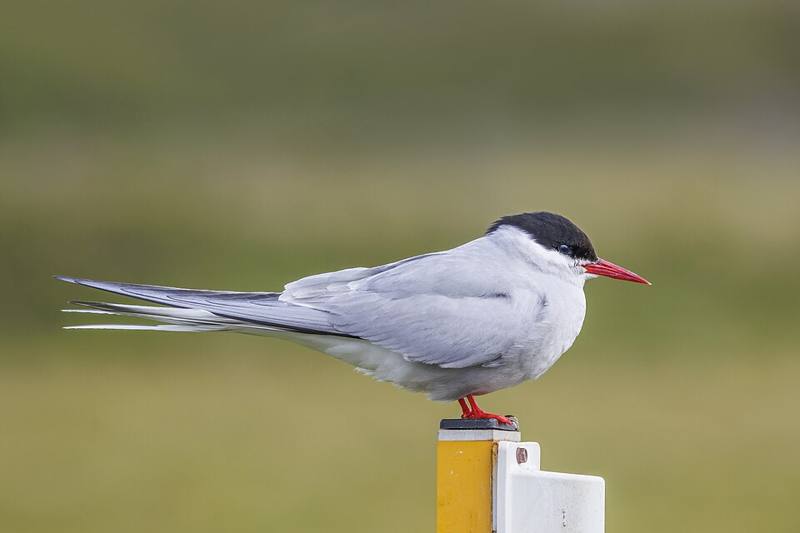
| Arctic tern | Between Arctic breeding grounds and Antarctic waters | Tracking studies have recorded round trips of roughly 70,000 km or more a year |
| Bar-tailed godwit | Alaska to New Zealand and Australia | Makes one of the longest nonstop flights known, over 11,000 km without landing |
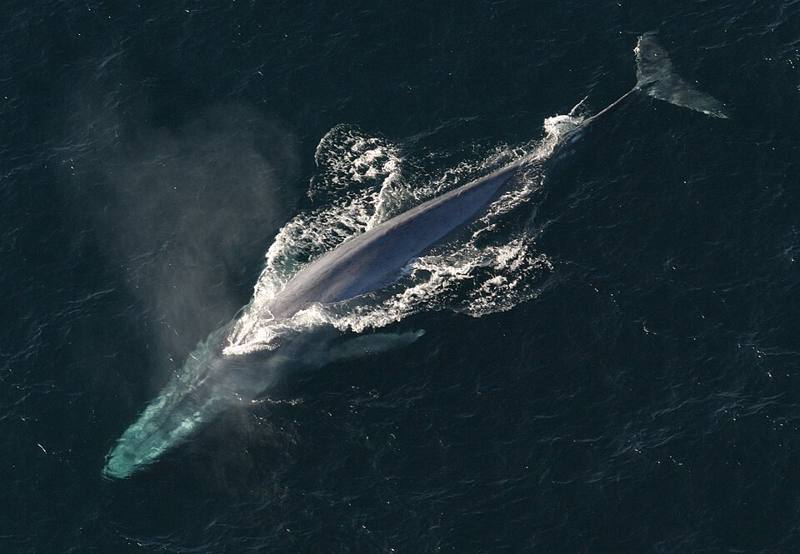
| Humpback whale | Polar feeding waters to tropical breeding waters | One of the longest migrations of any mammal |
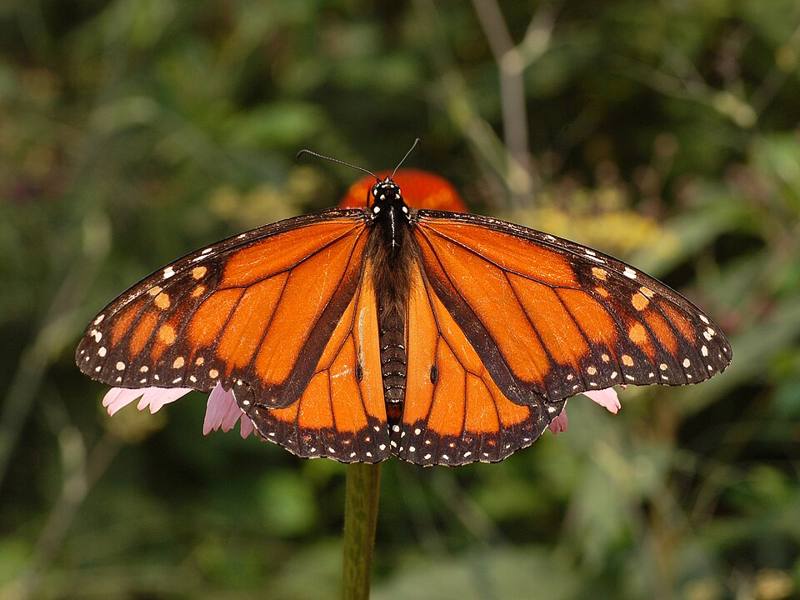
| Monarch butterfly | Eastern North America to central Mexico | The round trip takes several generations. See monarch butterfly |
| Wildebeest | Serengeti and Maasai Mara ecosystem | Over a million animals move in a great loop following rain and grass |
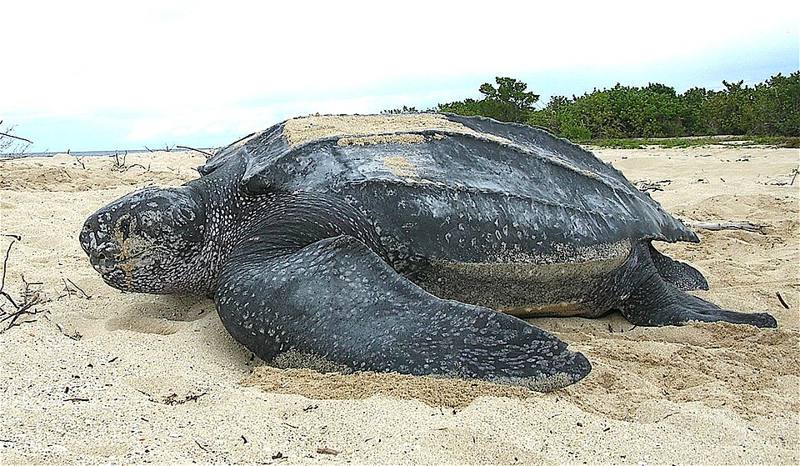
| Leatherback sea turtle | Across whole ocean basins | Travels thousands of miles between nesting beaches and feeding areas. See leatherback |
| Salmon | Ocean to the river where they hatched | Return upstream to spawn |
How animals find their way
Migrants use several senses, often combined:
- The sun: many birds and insects use the sun's position, correcting for the time of day with an internal clock.
- The stars: some night-flying songbirds learn star patterns around the celestial pole.
- Earth's magnetic field: birds, sea turtles and other animals can sense magnetic information that helps them judge direction and possibly location.
- Landmarks: coastlines, mountain ranges and rivers guide experienced travelers.
- Smell: salmon are thought to recognize the chemical "scent" of their home river.
- Sound: low-frequency sounds such as ocean waves may help some birds and whales.
Young animals sometimes migrate alone on their first trip, guided by inherited instincts. Others, such as cranes and geese, learn routes by following their parents.
Preparing for the trip
Before migrating, many birds go through hyperphagia, eating heavily to store fat. Some small songbirds can nearly double their body weight. Some shrink their digestive organs during long flights to save weight, then rebuild them when they land.
Threats to migrating animals
Migration depends on a chain of habitats, and breaking any link can harm a whole population:
- Loss of stopover sites such as wetlands and mudflats.
- Fences, roads and dams that block routes.
- Collisions with buildings, wind turbines and power lines.
- Light pollution that disorients night migrants.
- Climate change shifting the timing of food supplies.
Protecting migrants often requires cooperation across many countries. See how to help wildlife.
Migration you can watch
Spring and fall bird migration is visible almost everywhere. Watch for flocks overhead, visit local wetlands or check bird migration forecasts online. Citizen science projects welcome sightings. Remember to watch wildlife responsibly.