Animal Guides / Animal behavior and science
Taxonomy explained
How scientists name and classify living things, from domain and kingdom down to genus and species, why scientific names use Latin, and how DNA has reshaped the tree of life.
What taxonomy is
Taxonomy is the science of naming, describing and classifying living things. It gives every species a unique scientific name and places it in a nested system of groups based on how closely related organisms are.
Without it, people around the world would use different common names for the same animal, or the same name for different animals. A "panther," for example, can mean a leopard, a jaguar or a cougar depending on where you are.
Scientific names
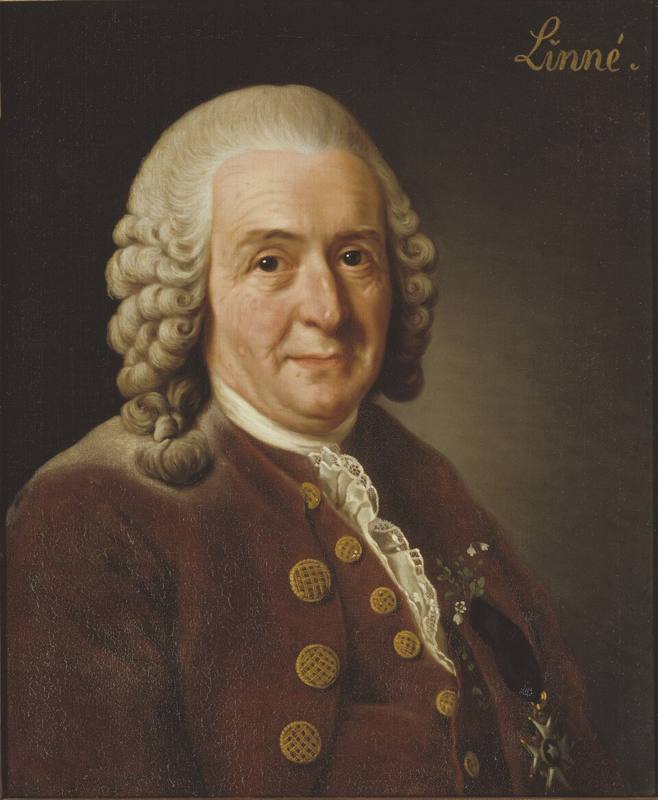
Every species has a two-part binomial name, a system popularized by the Swedish naturalist Carl Linnaeus in the 18th century. The 10th edition of his Systema Naturae, published in 1758, is the official starting point for animal names.
- The first part is the genus, capitalized: Panthera.
- The second part is the species name, lowercase: leo.
- Together: Panthera leo, the lion.
- Scientific names are written in italics.
Names often use Latin or Greek roots that describe a feature, a place or a person. Tyto alba, the barn owl, roughly means "white owl."
The ranks
| Rank | Lion example | What it groups |
|---|---|---|
| Domain | Eukarya | Organisms with complex cells |
| Kingdom | Animalia | Animals |
| Phylum | Chordata | Animals with a notochord, including vertebrates |
| Class | Mammalia | Mammals |
| Order | Carnivora | Carnivorans such as cats, dogs and bears |
| Family | Felidae | Cats |
| Genus | Panthera | Big cats such as lions, tigers, leopards and jaguars |
| Species | Panthera leo | Lions |
A handy memory phrase is "Dear King Philip Came Over For Good Soup."
What is a species?
The most common definition is the biological species concept: a group of organisms that can interbreed and produce fertile offspring in nature. But it does not work for everything. It cannot apply to organisms that reproduce without mating, or to fossils. Scientists also use genetic, physical and ecological differences to decide where one species ends and another begins. That is why the number of recognized species in some groups changes over time.
DNA and the tree of life
Early classification relied on physical features. Since the late 20th century, DNA comparisons have transformed taxonomy. They revealed surprises, for example:
- Whales are closely related to hippos.
- Birds are living dinosaurs, descended from theropods.
- Some animals that look alike are not closely related, because they evolved similar features separately.
Modern classification aims to group organisms by shared ancestry, a field called phylogenetics. Groups that include an ancestor and all its descendants are called clades.
Why classification changes
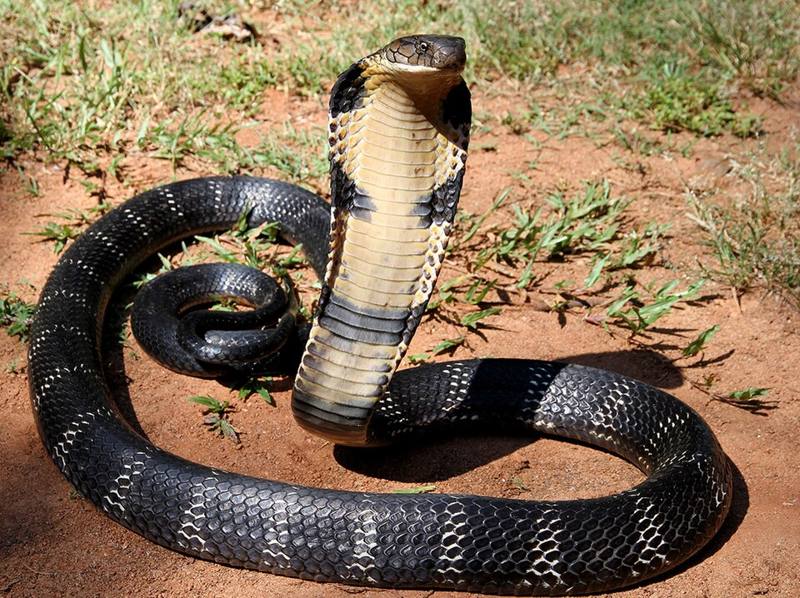
Names and groupings are updated when new evidence appears. A species might be split into several, as has been proposed for some owls and giraffes, or merged with another. Snakes such as the king cobra have recently been reexamined using DNA and physical evidence. These changes affect conservation, because a newly split species may be much rarer than the original group appeared.
Discovering new species
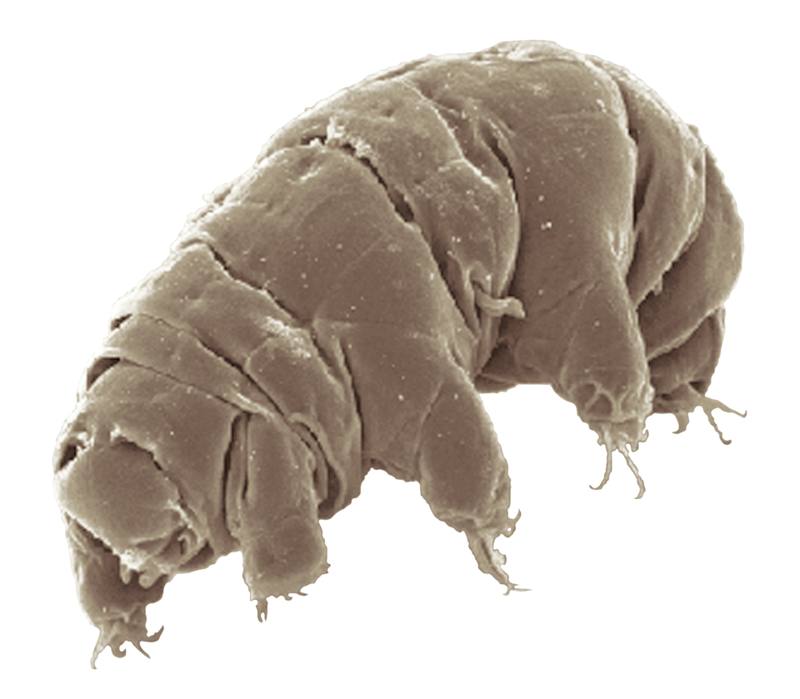
Thousands of new species are described every year, mostly insects and other invertebrates, but also new frogs, fish, reptiles and even mammals. Many more remain undiscovered, especially in oceans, rainforests and soil. Tiny animals like tardigrades still have many unnamed species.
Linnaeus originally classified whales as fish in early editions of his work, then moved them to mammals in later ones.